Search

WAGE Paper Graphic

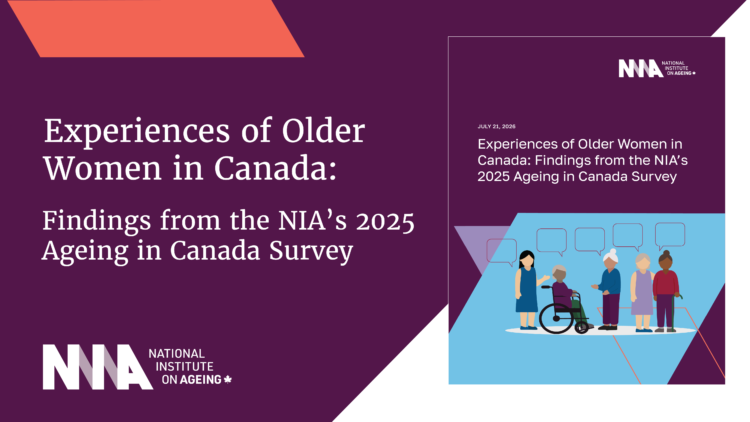
Experiences of Older Women in Canada

Older women in Canada are living longer than men, but many are ageing with greater financial insecurity, loneliness and exposure to ageism, according to a new report released today by the National Institute on Ageing (NIA) in partnership with the International Longevity Centre Canada (ILC Canada).

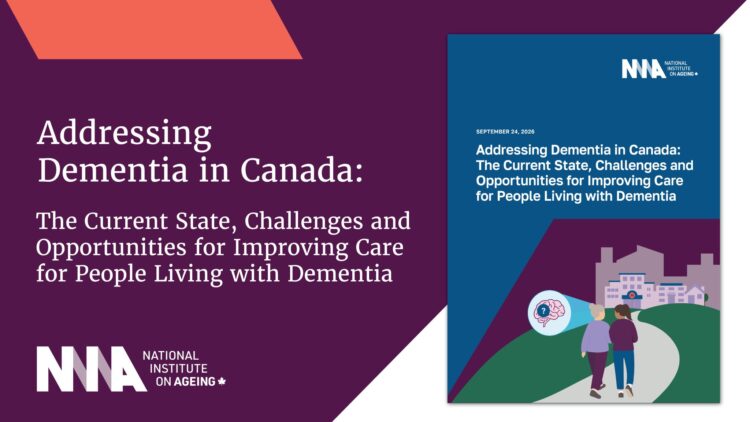
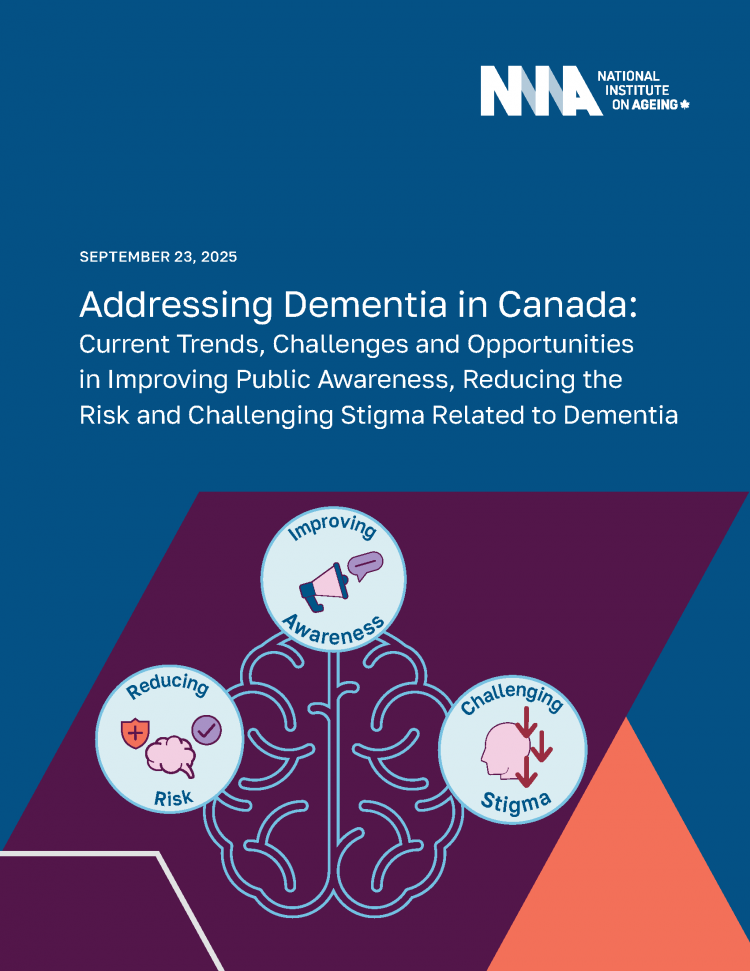
Addressing Dementia in Canada

A new report from the National Institute on Ageing (NIA) is calling for a more coordinated approach to dementia care to ensure Canadians living with dementia and their caregivers can access high-quality care and support, no matter where they live.

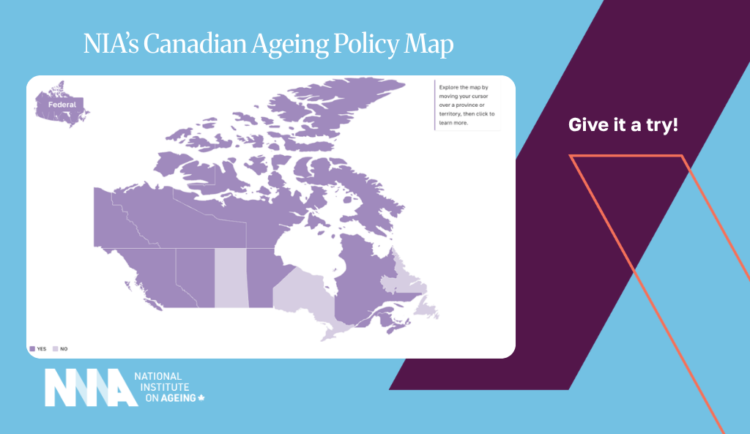
Cost of Ageing Calculator illustration. Showing a screenshot of the website tool with the call to action "Try it yourself"

Cost of Ageing (COA) Calculator

The Cost of Ageing (COA) Calculator is a not-for-profit research resource independently developed by the National Institute on Ageing (NIA) at Toronto Metropolitan University to support research, policy analysis, education and informed public discussion about ageing in Canada.

Small Steps Big Difference Campaign Image

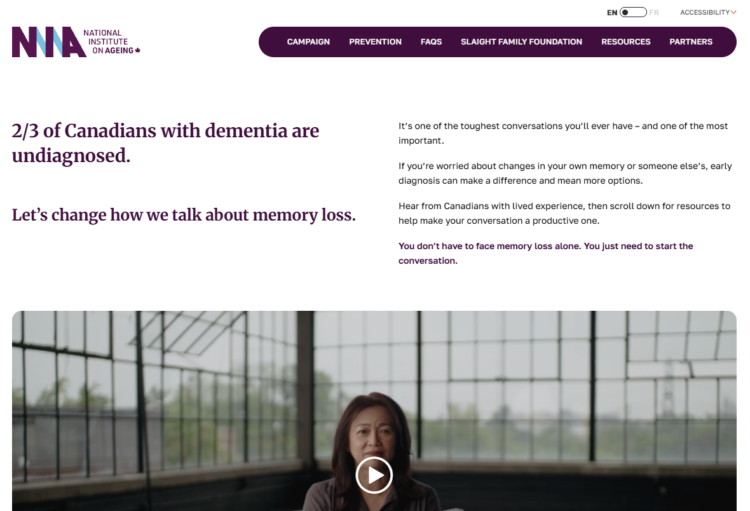
Small Steps Big Difference

Small Steps, Big Difference is the national education campaign a part of the Slaight Family Foundation Dementia Initiative. This seeks to build awareness of steps to prevent or delay complications of dementia for older adults across Canada.

Events
September 29, 2026
Webinar: Addressing Dementia in Canada: The Current State, Challenges and Opportunities for Improving Care for People Living with Dementia

To mark the launch of the second report in the NIA’s three-part annual Addressing Dementia in Canada series, the NIA brought together an expert panel to discuss the current state of dementia care in Canada, the challenges people face throughout the dementia journey and opportunities to improve care and support. An estimated 772,000 Canadians are […]

More Info
Newsletters
September 29, 2026
10 Years of Impact: New Reports, New Campaigns and What’s Ahead

September has been a milestone month for the NIA as we celebrated our 10th anniversary and gathered to reflect on a decade of advancing research, policy, public awareness and education to improve the lives of older Canadians. When the NIA launched in 2016, we had an ambitious vision to help Canada better prepare for an […]

More Info
Newsletters
September 29, 2026
New Report Calls for a More Coordinated National Approach to Dementia Care in Canada

An estimated 772,000 Canadians are currently living with dementia — and the true number may be significantly higher. According to a new report released by the National Institute on Ageing (NIA), nearly two-thirds (61.7%) of people living with dementia globally are undiagnosed, estimating that up to 2 million people could be living with dementia in […]

More Info
Newsletters
September 29, 2026
Webinar – Addressing Dementia in Canada: The Current State, Challenges and Opportunities for Improving Care for People Living with Dementia

An estimated 772,000 Canadians are currently living with dementia — and the true number may be significantly higher. Nearly two-thirds (61.7%) of people living with dementia globally are undiagnosed, estimating that up to 2 million people could be living with dementia in Canada today. There is an urgent need to help Canadians recognize concerning changes, […]

More Info

Our Pillars

Our policy pillars outline the NIA’S broad areas of interest, with objectives defining what we aim to achieve within each theme. Policy priorities highlight where we are actively advancing a public policy agenda. The following represent topics we monitor, research or promote through direct advocacy.

Income Adequacy

Ensuring adequate and secure lifelong incomes for older adults.

Ageing in the Right Place

Enabling the full spectrum of accessible living environments and care so people can age in the most appropriate setting for them.

Healthy Ageing

Protecting and expanding publicly available health services to meet the needs of older adults.

Social Inclusion

Promoting the fulfillment of human rights, meaningful participation, and social wellbeing of older adults.